Overview
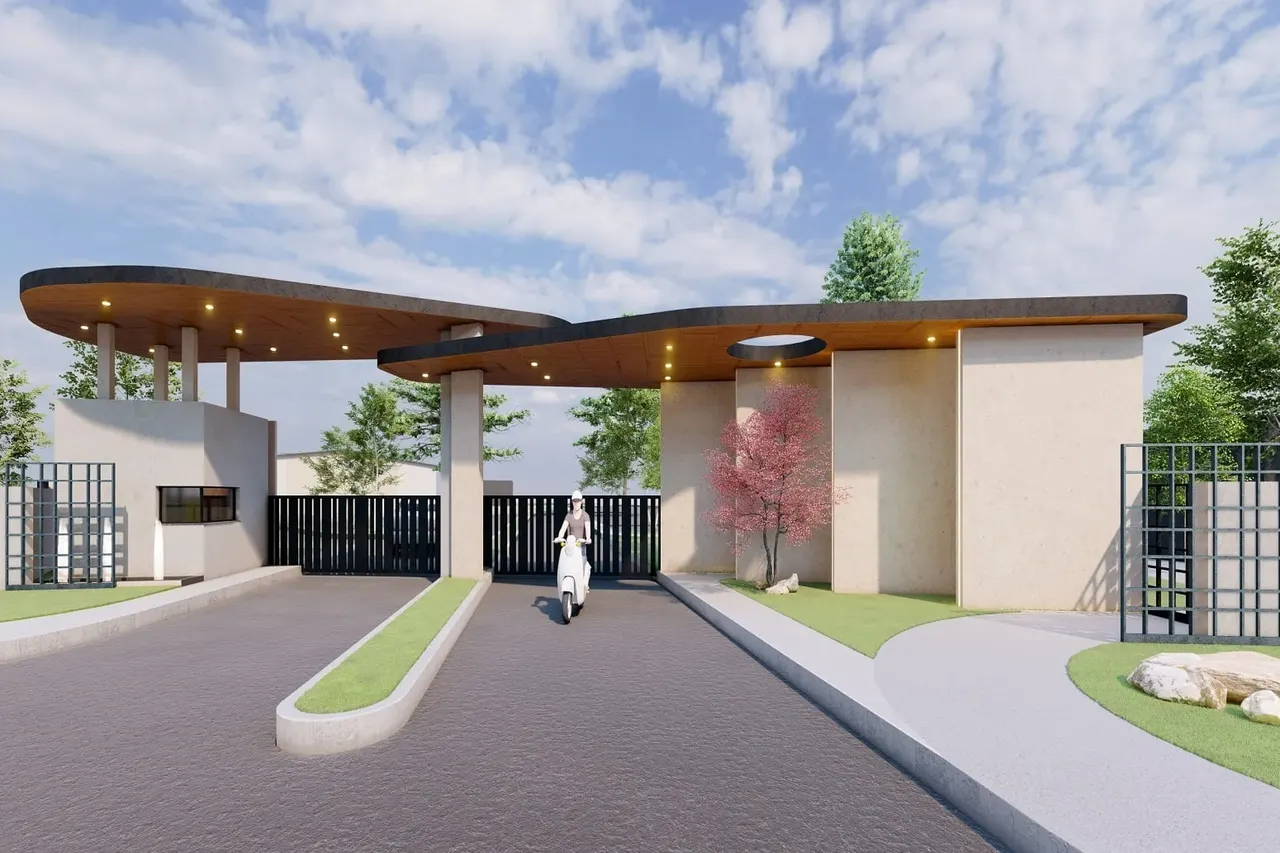
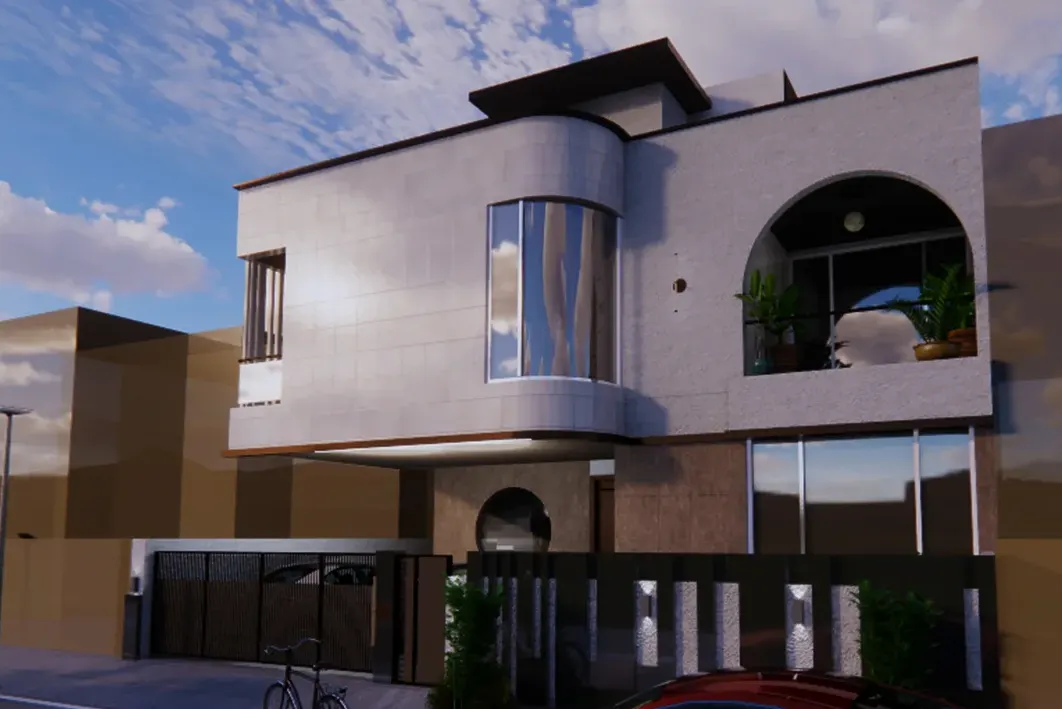
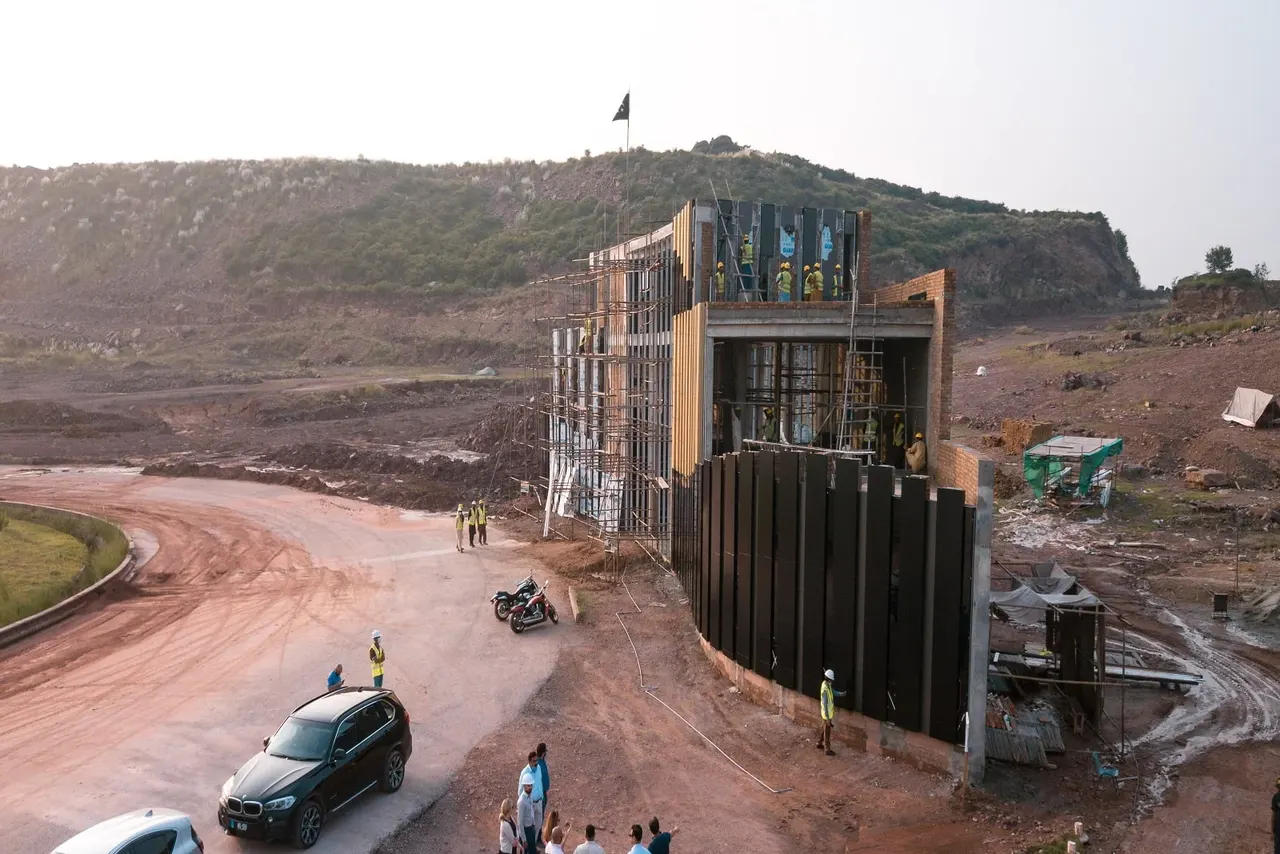
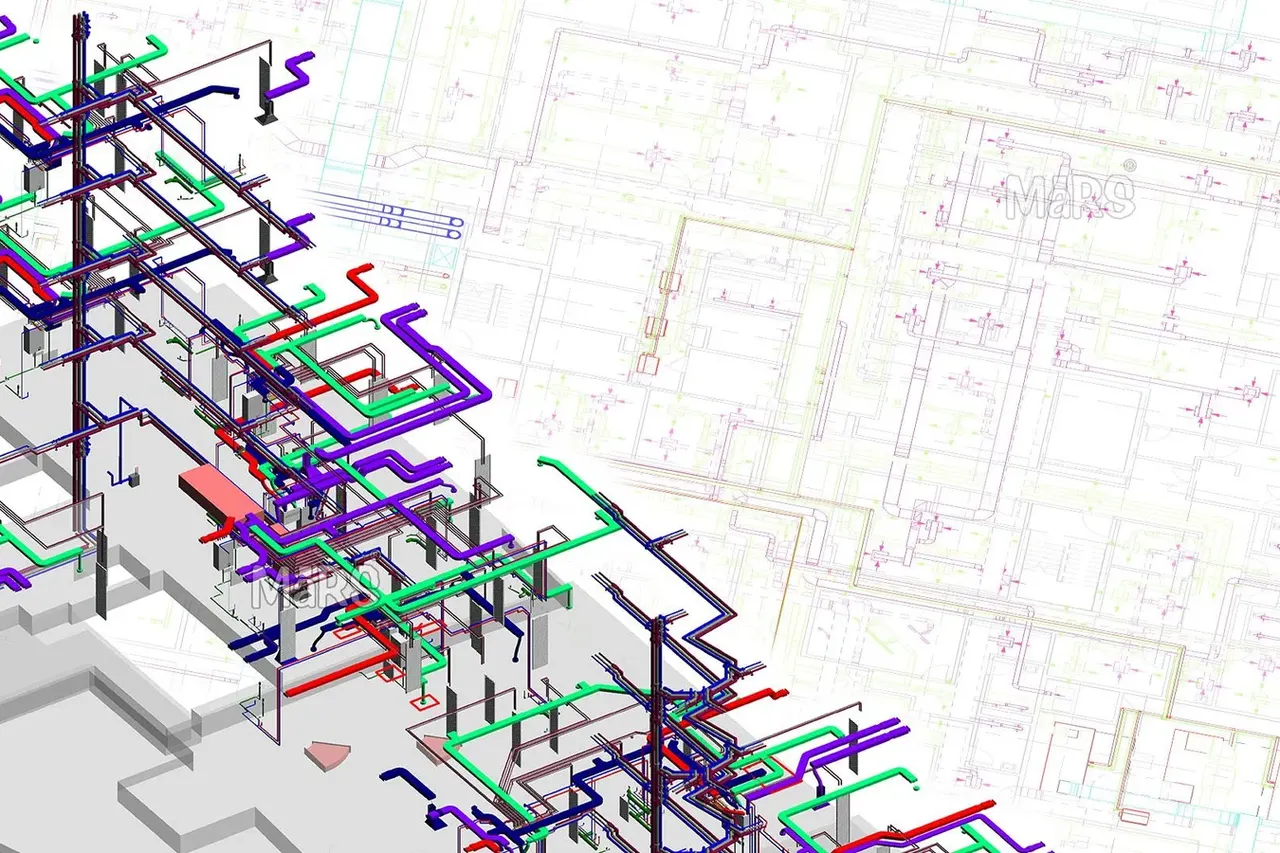
BIM-based modeling utilizes Building Information Modeling to create digital representations of buildings and infrastructure, enhancing collaboration, visualization, and project management efficiency


Expertise 07
Overview
BIM-based modeling utilizes Building Information Modeling to create digital representations of buildings and infrastructure, enhancing collaboration, visualization, and project management efficiency
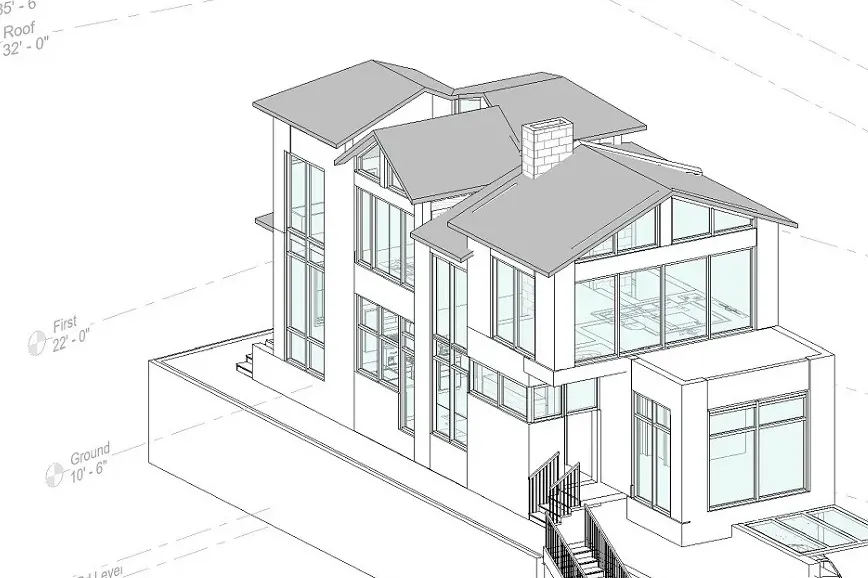
01Approach
Each of these steps ensures a cohesive and successful BIM-Based Modelling process, tailored to meet the client's vision and project requirements.
02Expertise
A comprehensive urban or land-use strategy, outlining development goals and guidelines for a specific area.
Transforming indoor spaces, harmonizing aesthetics and functionality.
Balancing aesthetics and functionality, harmonizing form with purpose.
The physical realization of architectural concepts, creating functional and durable spaces.
Coordinating resources, schedules, and tasks to achieve project goals within time, budget, and scope.
Design, installation, and maintenance of mechanical, electrical, and plumbing systems in buildings.
Digital representations of buildings and infrastructure, enhancing collaboration and visualization.